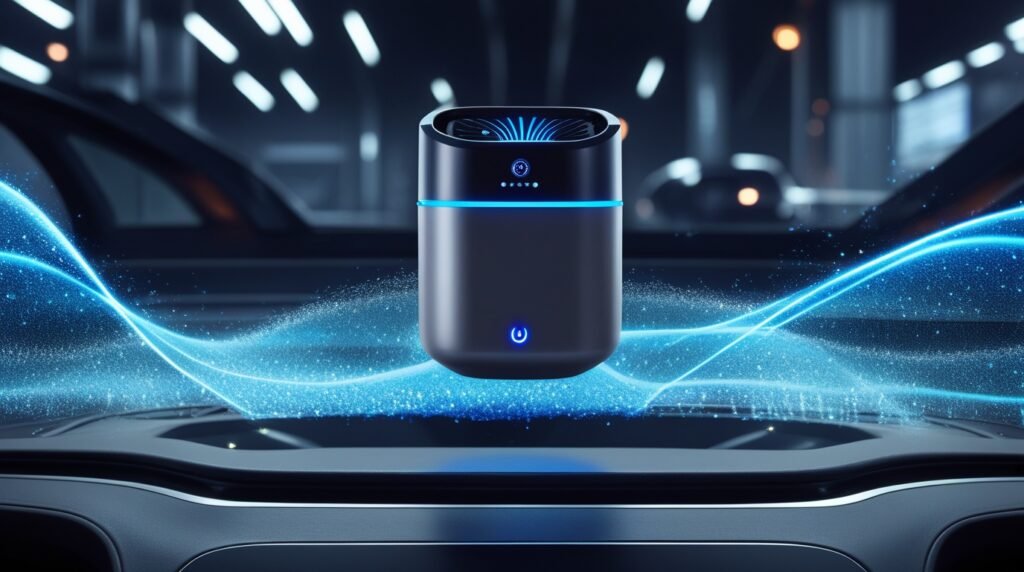
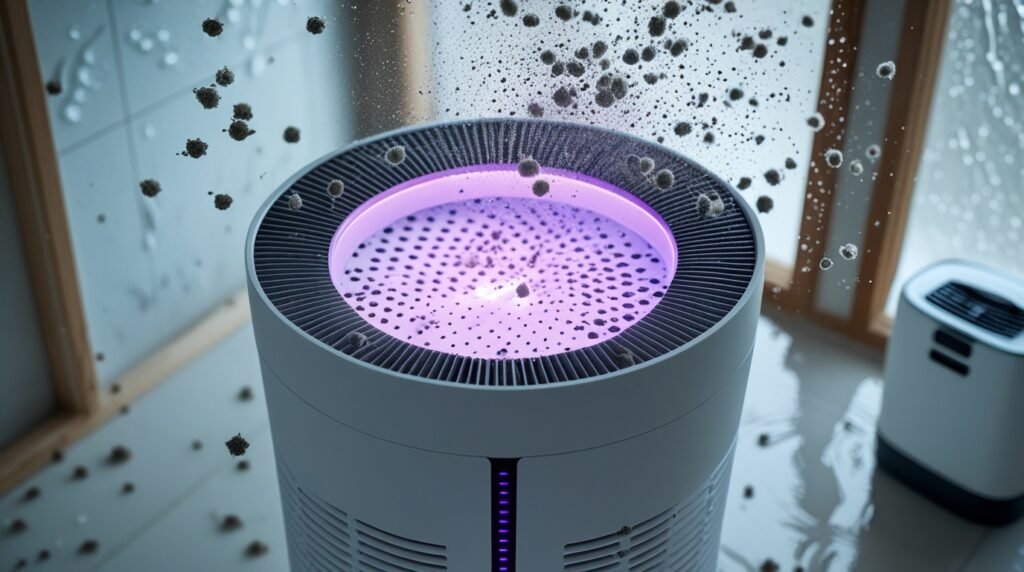
What is the Best Air Purifier for Allergies USA (2025 Buyer’s Guide)
For allergy sufferers, poor indoor air quality can turn homes into battlegrounds. Dust mites, pollen, pet dander, and mold spores linger in the air, triggering sneezing, congestion, and itchy eyes. The best air purifier for allergies acts as a first line of defense, capturing these irritants and providing cleaner, healthier air. But with countless models on the market, how do you choose? This buyer’s guide cuts through the noise, highlighting top-rated air purifiers, must-have features, and actionable tips to help you make an informed decision.
Why Air Purifiers Are Essential for Allergy Relief
Allergies affect millions globally, and indoor allergens are often the primary culprits. Unlike outdoor allergens, which fluctuate with seasons, indoor irritants persist year-round. Air purifiers work by:
- Trapping airborne particles via advanced filters.
- Reducing exposure to allergens like pollen and pet dander.
- Neutralizing odors and volatile organic compounds (VOCs).
Studies show that high-efficiency particulate air (HEPA) filters can remove 99.97% of particles as small as 0.3 microns, making them indispensable for allergy management.
Key Features to Look for in an Allergy-Friendly Air Purifier
1. True HEPA Filtration
The best air purifier for allergies must include a True HEPA filter. Avoid terms like “HEPA-type” or “HEPA-like,” which don’t meet the rigorous standard. True HEPA filters capture microscopic allergens, including mold spores and dust mites.
2. High CADR Rating
The Clean Air Delivery Rate (CADR) measures how quickly a purifier cleans the air. Opt for a CADR of 200+ for medium-sized rooms (300 sq. ft.).
3. Room Size Compatibility
Match the purifier’s coverage area to your room size. Undersized units will struggle to clean effectively.
4. Activated Carbon Filter
A carbon filter absorbs odors and VOCs from cleaning products or pets, enhancing overall air quality.
5. Smart Sensors & Auto Mode
Models with air quality sensors adjust fan speeds automatically, optimizing performance during high-allergen periods.
Pro Tip: Pair your air purifier with regular cleaning and hypoallergenic bedding for maximum allergy relief. Learn more about reducing indoor allergens in our guide here.
Top 5 Air Purifiers for Allergies in 2025

- 𝐖𝐇𝐘 𝐂𝐇𝐎𝐎𝐒𝐄 𝐀𝐇𝐀𝐌 𝐕𝐄𝐑𝐈𝐅𝐈𝐃𝐄 𝐏𝐑𝐎𝐃𝐔𝐂𝐓𝐒: AHAM (Association of Home Appliance Manufacturers) is an ANSI-accredited organization…
- 𝐀𝐇𝐀𝐌 𝐕𝐄𝐑𝐈𝐅𝐈𝐃𝐄 & 𝐓𝐑𝐔𝐒𝐓𝐄𝐃 𝐁𝐘 𝐄𝐗𝐏𝐄𝐑𝐓𝐒: Certified by the Association of Home Appliance Manufacturers (AHAM), the Vital 200S-…
- 𝐀𝐈𝐑 𝐏𝐔𝐑𝐈𝐅𝐈𝐄𝐑 𝐃𝐄𝐒𝐈𝐆𝐍𝐄𝐃 𝐅𝐎𝐑 𝐀𝐋𝐋𝐄𝐑𝐆𝐘 𝐆𝐑𝐎𝐔𝐏𝐒:The Vital 200S-P is designed specifically for allergy groups, effectively preve…


- BLUEAIR’S TOP-PERFORMING AIR PURIFIER LINE: Blue family’s new Pure Max series with our proprietary HEPASilent performanc…
- LET’S CLEAR THE AIR QUIETER: Quiet Mark certified (23-50dB); Cleans up to 1,858 sqft space in 60 min, 929sqft in 30min o…
- LET’S CLEAR THE AIR FASTER: HEPASilent dual filtration technology delivers more clean air faster and uses less noise and…

- CLEANER AIR IN MINUTES: PuroAir is proven to filter the pollutants lurking in your home’s air. This large room air purif…
- POWERFUL AIR FILTER: PuroAir HEPA air purifiers for home feature a powerful 3-layer filtration system—a pre-filter, HEPA…
- BACKED BY SCIENCE: Lab tested and studied to filter the most common household pollutants with ease. Better filtration me…

- ACCURATE AIR-QUALITY FEEDBACK. The air quality sensor provides real-time feedback with a PM2.5 digital display, a color-…
- AUTO MODE KEEPS YOUR AIR CLEAN AROUND THE CLOCK. Select auto mode and walk away — it automatically adjusts to the ideal …
- IDEAL FOR LARGE ROOMS. The 360° airflow pulls in air from all directions to clean rooms up to 5 times per hour when used…

- 𝐖𝐇𝐘 𝐂𝐇𝐎𝐎𝐒𝐄 𝐀𝐇𝐀𝐌 𝐕𝐄𝐑𝐈𝐅𝐈𝐃𝐄 𝐀𝐈𝐑 𝐏𝐔𝐑𝐈𝐅𝐈𝐄𝐑𝐒: AHAM (Association of Home Appliance Manufacturers) is an ANSI-accredited organiz…
- 𝐇𝐈𝐆𝐇-𝐏𝐄𝐑𝐅𝐎𝐑𝐌𝐀𝐍𝐂𝐄 𝐀𝐈𝐑 𝐏𝐔𝐑𝐈𝐅𝐈𝐂𝐀𝐓𝐈𝐎𝐍: Powerful 56W High-Torque Motor paired with a 143 CFM CADR ensures fast, effective air…
- 𝐀𝐇𝐀𝐌 𝐕𝐄𝐑𝐈𝐅𝐈𝐃𝐄 𝐅𝐎𝐑 𝐏𝐑𝐎𝐕𝐄𝐍 𝐏𝐄𝐑𝐅𝐎𝐑𝐌𝐀𝐍𝐂𝐄: The Core 300-P is AHAM VERIFIDE with CADR (Clean Air Delivery Rate) ratings of 143…
How to Choose the Best Air Purifier for Your Needs
Step 1: Assess Your Room Size
Measure your room’s square footage and choose a purifier that covers at least that area. Oversizing ensures better airflow.
Step 2: Prioritize Allergy-Specific Features
Stick to True HEPA filters and avoid ionizers, which can emit ozone.
Step 3: Consider Noise Levels
Look for “sleep mode” or decibel ratings under 50 dB for bedrooms.
Step 4: Check Filter Replacement Costs
Factor in long-term expenses—some brands offer affordable subscription plans.
Did You Know? Proper placement (away from walls and furniture) boosts efficiency. Explore more maintenance tips in our air purifier care guide here.
Maintaining Your Air Purifier for Optimal Performance
- Replace Filters Regularly: HEPA filters last 6–12 months; clogged filters reduce efficiency.
- Clean Pre-Filters Monthly: Washable pre-filters trap larger particles, extending HEPA lifespan.
- Monitor Air Quality: Use built-in sensors or standalone monitors to track allergen levels.
FAQs About Air Purifiers and Allergies
Q: Do air purifiers help with pet allergies?
A: Yes! Models with HEPA + carbon filters capture dander and neutralize pet odors.
Q: Can air purifiers replace medications?
A: No—use purifiers alongside antihistamines for comprehensive relief.
Q: How often should I run my air purifier?
A: 24/7 operation is ideal, especially during high-pollen seasons.
Final Thoughts
Choosing the best air purifier for allergies requires balancing performance, room size, and budget. Our top 5 picks—from the compact Blueair Blue Pure 411 Max to the robust Coway Airmega 250—deliver proven results. Remember, consistent use and proper maintenance are key to long-term allergy relief.