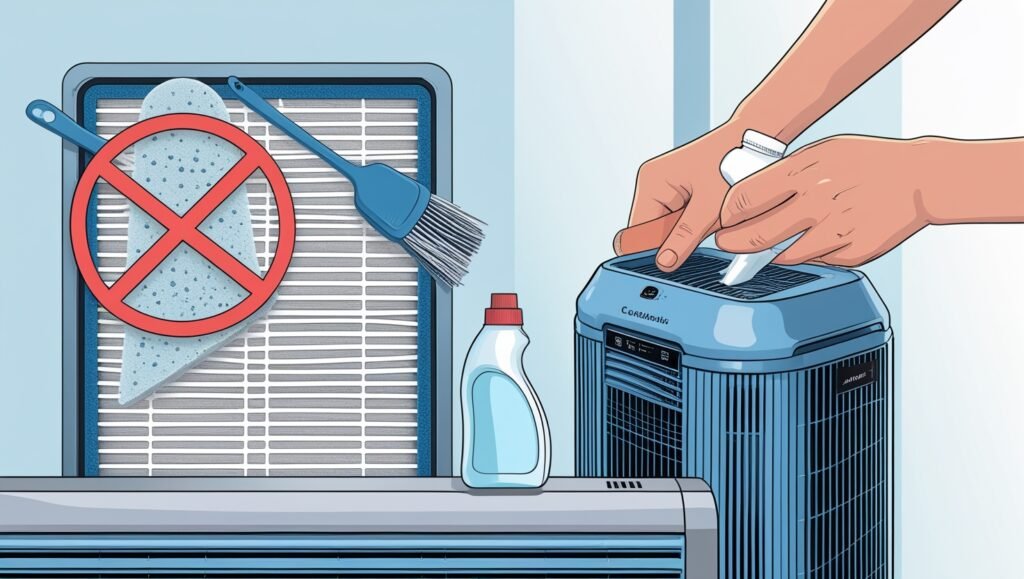
Indoor allergens affect millions of people worldwide, triggering symptoms like sneezing, congestion, and itchy eyes. With the average person spending 90% of their time indoors, improving indoor air quality is critical for health and comfort. This guide outlines 10 science-backed strategies to reduce indoor allergens, helping you create a cleaner, hypoallergenic living space.
Understanding Common Indoor Allergens
Before tackling allergens, it’s essential to know what you’re up against:
- Dust Mites: Microscopic pests thriving in bedding, carpets, and upholstery.
- Pet Dander: Skin flakes from cats, dogs, and other furry pets.
- Mold Spores: Fungi that grow in damp areas like bathrooms and basements.
- Pollen: Outdoor allergens that enter through windows and clothing.
- Pest Droppings: Cockroach and rodent waste can trigger allergies.
Also Read: Best Air Purifier for Office Desk USA: Complete 2025 Buying Guide
10 Proven Ways to Reduce Indoor Allergens
1. Adopt a Rigorous Cleaning Routine
Regular cleaning is your first line of defense:
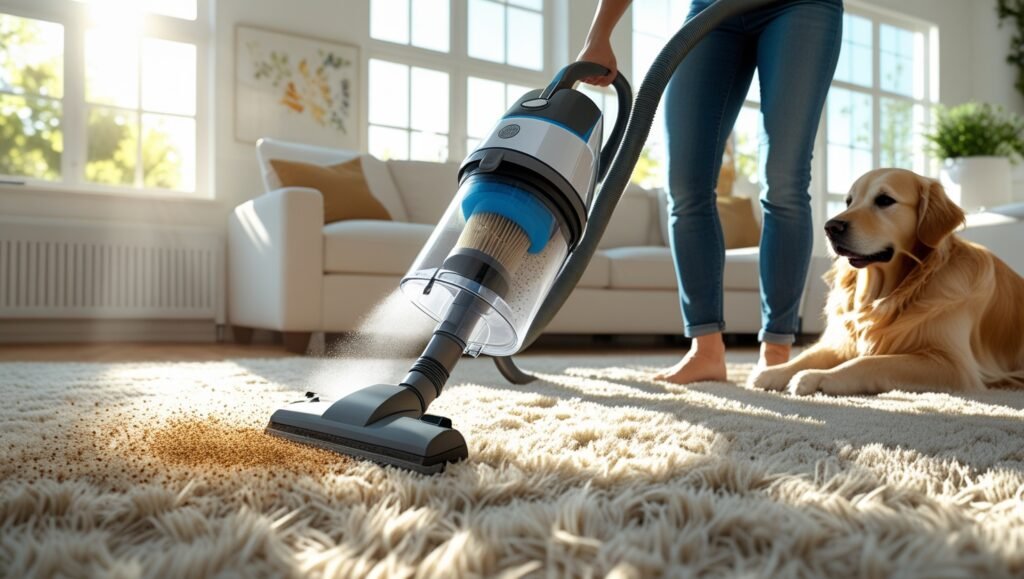
- Vacuum weekly using a HEPA-filter vacuum to trap 99.97% of particles.
- Dust surfaces with microfiber cloths to prevent spreading allergens.
- Mop hard floors with hot water to remove residual dust and dander.
Pro Tip: Wear a mask while cleaning to avoid inhaling stirred-up particles.
2. Encase Bedding and Furniture
Dust mites love mattresses and pillows. Protect yourself by:
- Using allergen-proof covers on pillows, mattresses, and box springs.
- Washing sheets, pillowcases, and blankets in 130°F water weekly to kill mites.
3. Control Humidity Levels
High humidity promotes mold and dust mites. Aim for 30–50% humidity using:
- Dehumidifiers in damp areas like basements.
- Air conditioners during humid months.
- Hygrometers to monitor moisture levels.
4. Groom Pets Strategically
Pet dander is a leading allergen. Minimize it by:
- Brushing pets outdoors to prevent dander buildup indoors.
- Bathing dogs and cats bi-weekly with vet-approved shampoos.
- Designating pet-free zones (e.g., bedrooms) to create safe spaces.
5. Invest in HEPA Air Purifiers
High-efficiency particulate air (HEPA) purifiers capture allergens like pollen, dander, and dust. Place units in high-traffic areas and bedrooms for best results.
Also Read:Best Air Purifier for Mold and Mildew Removal 2025 USA
6. Upgrade Your HVAC System
Improve air circulation and filtration by:
- Replacing HVAC filters every 60–90 days with MERV 11–13 rated filters.
- Installing ventilation fans in kitchens and bathrooms to reduce moisture.
7. Replace Carpets with Hard Flooring
Carpets trap allergens deep within fibers. Opt for hardwood, tile, or vinyl flooring, and use washable rugs to reduce dust mite populations.
8. Seal Windows and Doors
Pollen and pests often enter through gaps.
- Apply weatherstripping around windows and doors.
- Keep windows closed during high-pollen seasons (spring and fall).
9. Eliminate Mold Growth
Combat mold by:
- Fixing leaks promptly.
- Scrubbing mold with 1:10 bleach-water solutions (wear gloves and a mask).
- Using exhaust fans during showers.
10. Choose Hypoallergenic Home Décor
Opt for easy-to-clean furnishings:
- Washable curtains instead of heavy drapes.
- Leather or vinyl furniture over fabric couches.
- Anti-allergen sprays on upholstery.
Bonus Tips for Allergy-Proofing Your Home
- Freeze stuffed toys overnight to kill dust mites.
- Remove shoes at the door to avoid tracking pollen indoors.
- Use non-toxic cleaning products to avoid chemical irritants.
Conclusion
Reducing indoor allergens requires consistency, but the payoff—improved health and comfort—is worth it. Start with one or two strategies, like investing in a HEPA purifier or washing bedding weekly, and gradually incorporate more. By understanding and targeting the sources of allergens, you can create a home that’s a sanctuary, not a trigger zone.
Take Action Today: Share this guide with fellow allergy sufferers, and breathe easier tomorrow!